

Language, Identity and Intelligence: Building Inclusive AI

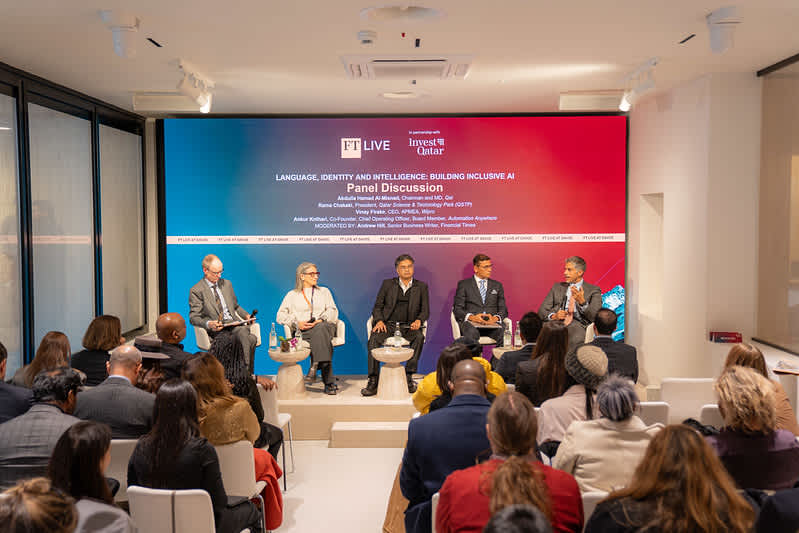
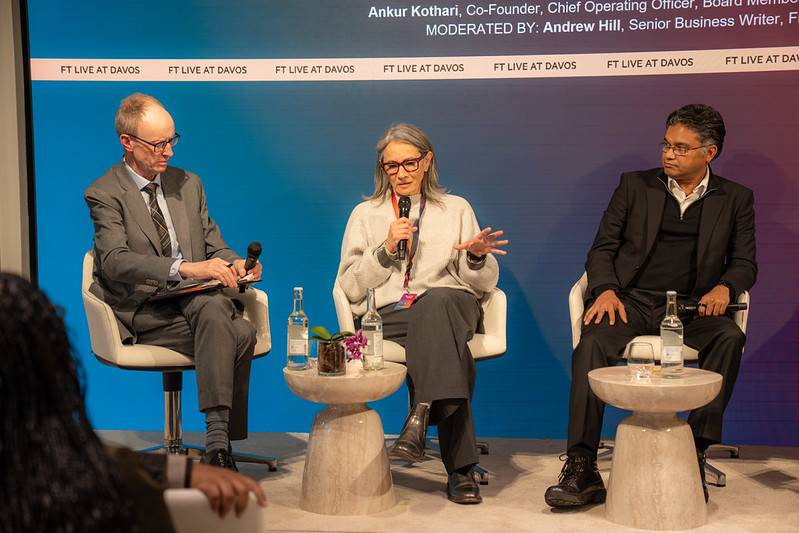
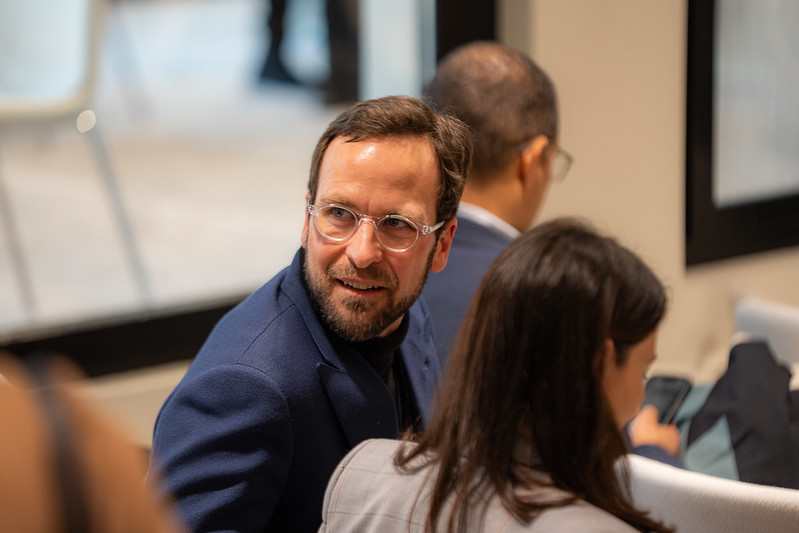
Event Images from Language, Identity and Intelligence: Building Inclusive AI
First in the three-part Davos series on shaping a more inclusive, sustainable global economy.
Hosted at the Invest Qatar Pavilion in Davos during the World Economic Forum Annual Meeting 2026, this three-session programme explored how innovation, regulation and resilience intersect to shape the global economy of the future.
Global leaders convened to examine how countries and companies can cooperate in a contested world, unlock new sources of growth, deploy innovation at scale and responsibly, invest in people and build prosperity.
This Financial Times event, hosted in partnership with Invest Qatar, session one explored what it takes to design AI systems that respect cultural identity, work effectively across languages, and expand opportunity through inclusive digital transformation. A fireside conversation with H.E. Mohammed bin Ali Al Mannai examined how national strategies can harness emerging technologies to diversify economies, build skills pipelines, and deploy AI responsibly. The panel then discussed the opportunities of developing Arabic-language and culturally adaptive AI from advancing data and model benchmarks to fostering regional collaboration, reducing bias and strengthening cultural heritage while maintaining global interoperability.
World-Class Business Leaders and Speakers
Key Discussion Points

Collaborative AI
Regional collaboration and global interoperability for inclusive AI

Venture Prospects
Startup and investor opportunities in culturally adaptive AI

Cultural Frameworks
Designing for culture: strengthening, not diluting, identity through tech
Other Events In The Series
Why Attend?

Understand
The big picture, not just the individual strands of the business you work in

Connect
And build relationships with some of the biggest names in your industry

Discover
New approaches and strategies to help win market share
We’re Here To Help
Frequently Asked Questions
FT Live at Davos

View all the FT Live events taking place around the World Economic Forum’s Annual Meeting
19-23 January 2026
© Financial Times Live
FT Live and its journalism are subject to a self-regulation regime under the FT Editorial Code of Practice


